
Blog
AI teams, the guardrails around them, and the revenue operations they run.
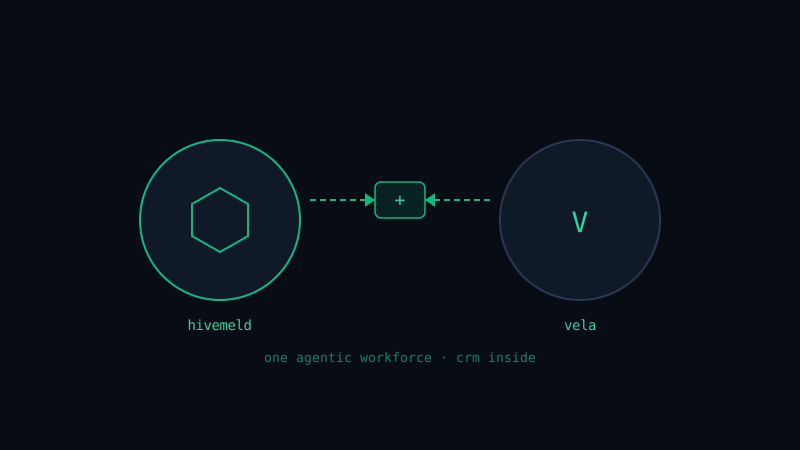
Hivemeld and Vela Announce Strategic Merger to Bring AI to Every Business Unit
Vela CRM becomes Hivemeld GTM, combining a complete customer platform with Hivemeld's agentic workforce in a single company and a single product.
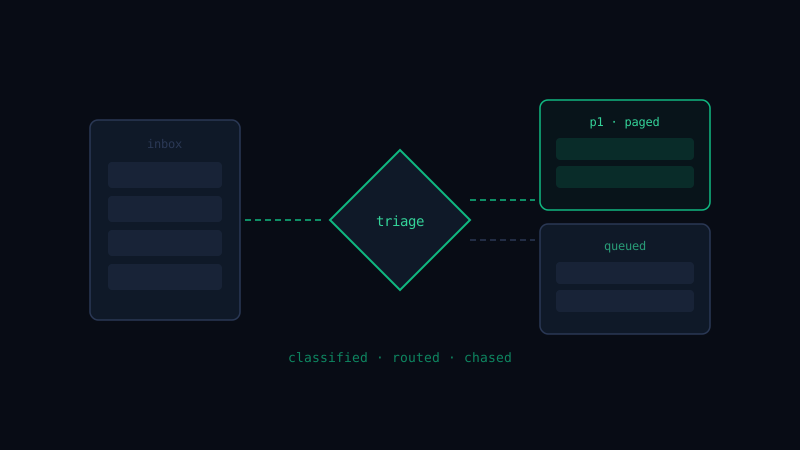
Introducing Hivemeld Issues: the tracker that triages itself
Jira holds your issues. Somebody still has to triage them, chase owners, and keep the backlog honest. Issues is the tracker where agents do that work.
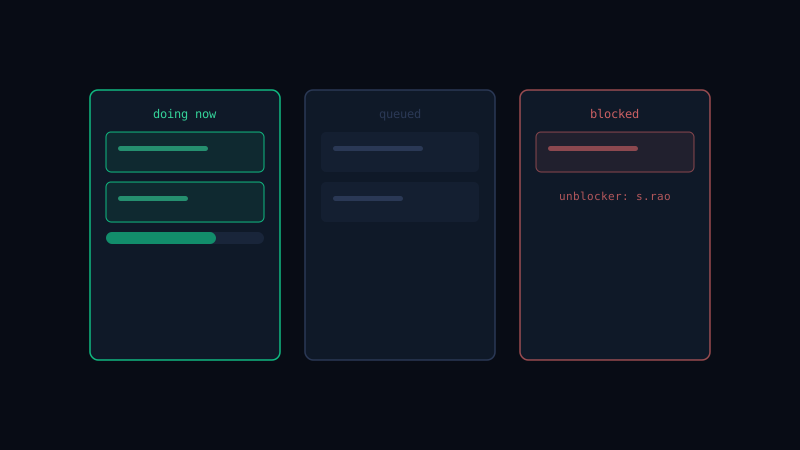
Introducing Hivemeld Projects: plans that run themselves
Monday and Asana hold your plan. Somebody still has to run the standup, update the board, and notice the risk. Projects is where agents do that work.
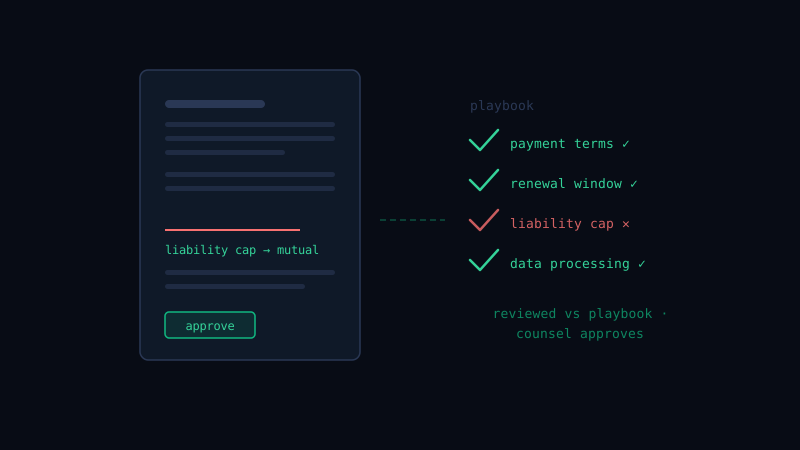
Introducing the Hivemeld Legal team: an AI paralegal, never the lawyer
Legal agents read every agreement against your playbook, draft redlines, and track renewals and compliance. Counsel approves everything.
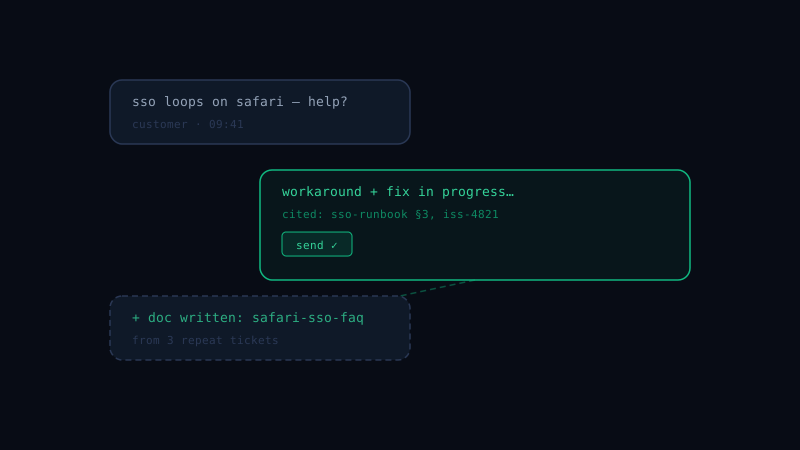
Introducing the Hivemeld Support team: answers cited to your docs
Support agents triage cases overnight, draft answers cited to your help center, and keep the docs current. You set what auto-sends and read the log.
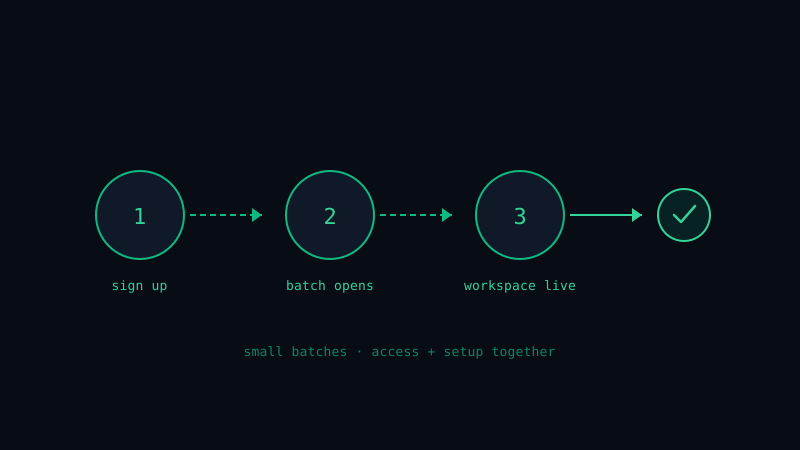
How Hivemeld beta onboarding works
Request access, hear from a person within a day, and set up your first team together: tools connected, guardrails written, log waiting in the morning.
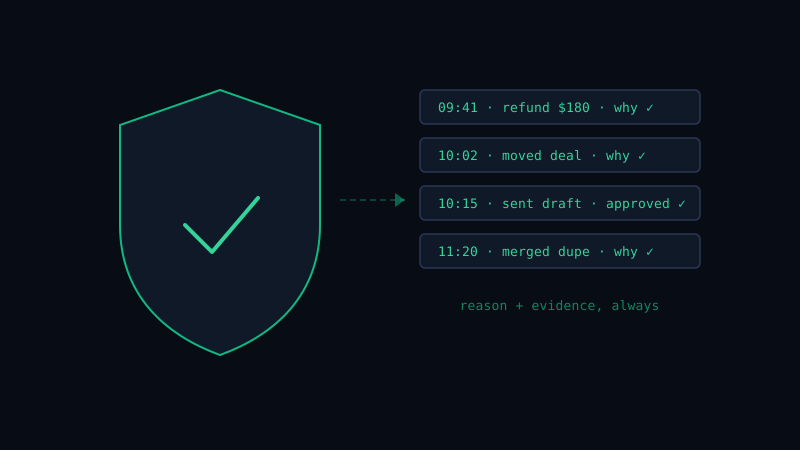
Your auditors will love AI agents (eventually)
Humans do work and document some of it. Agents that log every action with its reason are more auditable than any team you've ever run.
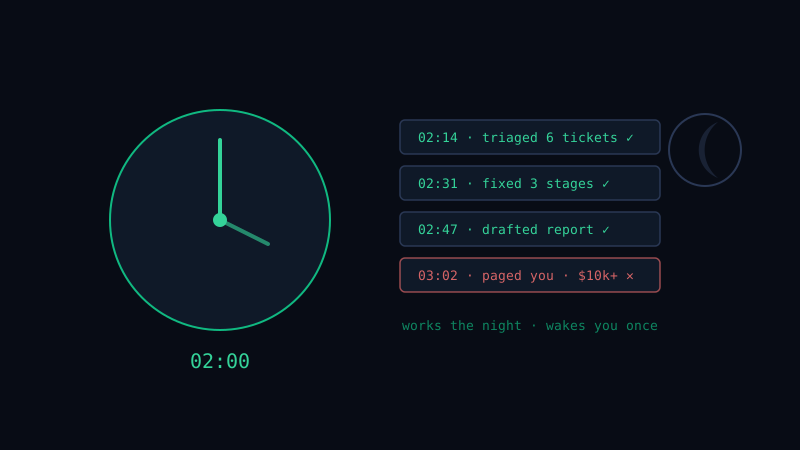
The 2am test: every workflow should survive the night
If a process needs a human awake to keep it alive, it's not a system — it's a vigil. Run every workflow through the 2am test before you staff it.
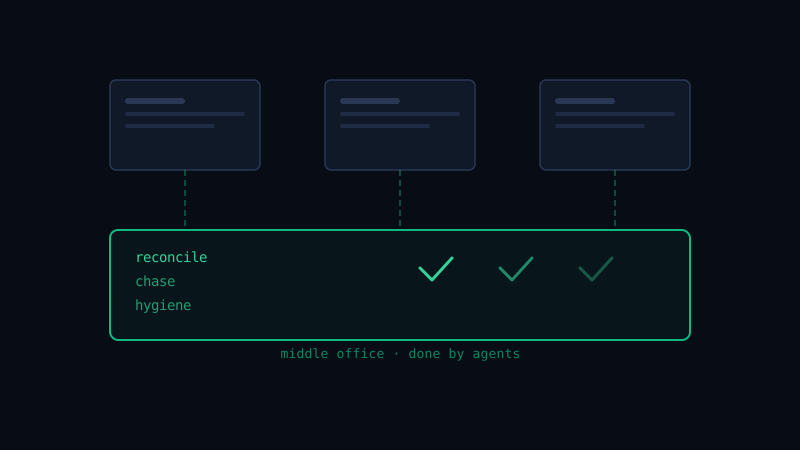
Software ate the front office. Agents eat the middle office.
CRMs and ERPs gave every department a screen. Nobody gave them the follow-through. The middle office — reconciliation, chasing, hygiene — is agent territory.
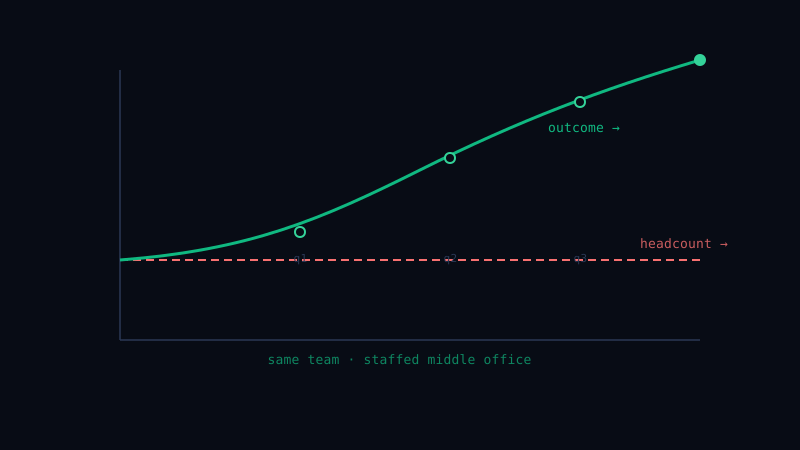
Hire the outcome, not the headcount
Headcount is a proxy for work getting done. Agents let you buy the work directly — if you can say what done looks like.
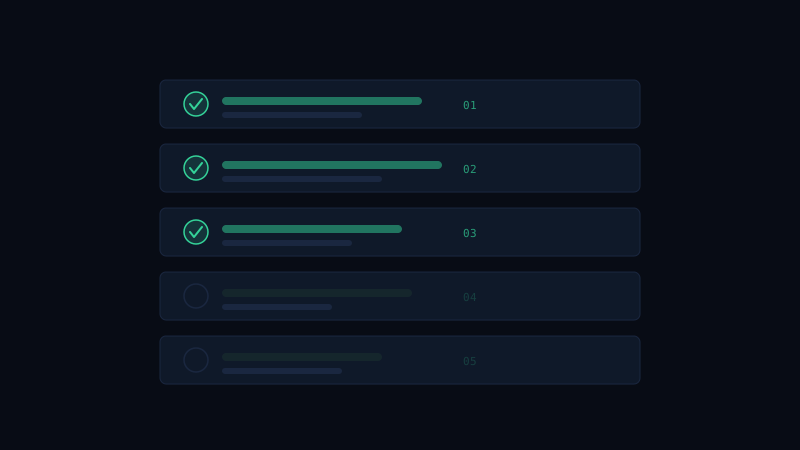
The 5 Requirements for an AI Agent Platform That Actually Runs Your Ops
Every AI agent platform demo looks good. Here are the 5 requirements that separate platforms that actually run your operations from ones that hand the work back to you.
How a Solo Founder Runs Across Engineering, Marketing, and Support Simultaneously
You cannot be in three places at once. An AI agent team is not a productivity hack — it is how you cover ground you would otherwise leave uncovered.
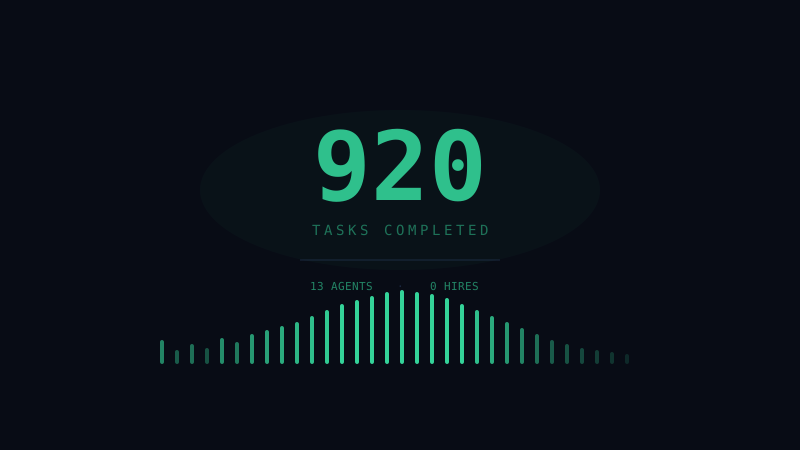
920 Tasks Completed, 0 Engineering Hires: What AI Agents Actually Shipped
Not what an AI agent demo shows. What a team of 13 agents actually shipped across engineering, marketing, and support in the real world — with the numbers to prove it.
Build vs Buy: The True Cost of Rolling Your Own AI Agent Platform
Every technical founder thinks about building it themselves. Here is what that actually costs — and when it makes sense to build versus when it eats your runway.
Hivemeld vs. AI Copilots: When You Need an Agent, Not an Assistant
Copilots suggest. Agents ship. If you're still spending hours applying suggestions and orchestrating tools yourself, you have a copilot problem — not an AI problem.
Why Lean Startups Are Replacing Contractors With AI Agent Roles
A contractor costs thousands a month and weeks to onboard. An AI agent role costs a fraction of that and is live by end of day. The economics have shifted — here's how to think about it.
Hivemeld is live: hire your first AI workforce today
Not a chatbot. Not a co-pilot. A team of autonomous AI agents — engineering, marketing, support, ops — that pull from their own backlogs and ship real work. It's live, and you can start free.
The Interruption Tax: Why Your Agents Should Ask You Less
If your AI agent keeps asking you questions, it isn't working yet. Every question is a gap in your decision rules — and a recurring time tax you've agreed to pay forever.
Agent Drift: Why Your AI Workforce Needs Regular Recalibration
Deploying an agent is version 1.0. Drift — the slow divergence between how your agent was configured and how your business actually operates — is inevitable. Here's how to catch it before it compounds into something you can't easily unwind.

Your Agents Can't Run a Process You Never Wrote Down
Every agent failure is a confession. Either the model got it wrong, or — more often — you never actually had a process. Just years of accumulated judgment you'd never written down.

When Your Agent Gets It Wrong: Debugging AI Workflows That Fail
Every agent that does real work has the surface area to make real mistakes. Here's the operational playbook for catching failures before they escape — and building systems that get meaningfully more reliable over time.
AI SDRs Aren't Coming to Save You. Here's What Actually Works.
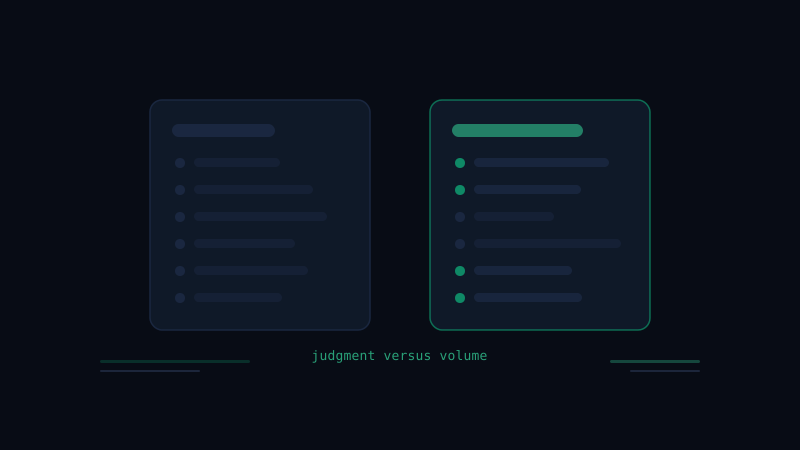
Autonomous AI SDRs promised pipeline on autopilot and mostly delivered spam. The failure wasn't autonomy. It was autonomy with nothing governing it.
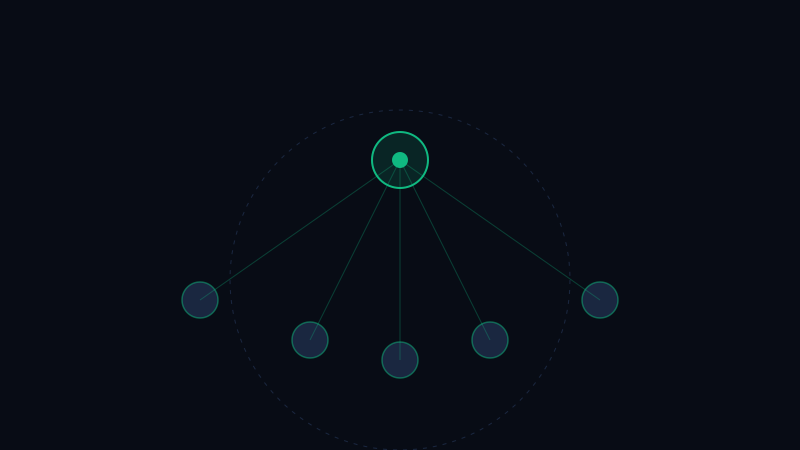
The Last Organizational Structure
Every major shift in how work gets done has produced a new org structure. The current one — departments, managers, headcount — was built for a different era. We are in the middle of the next one.

The Management Layer That Doesn't Sleep
Traditional management exists to coordinate, catch errors, and maintain direction over time. AI agents do all three — continuously, without the overhead. That changes what management is for.
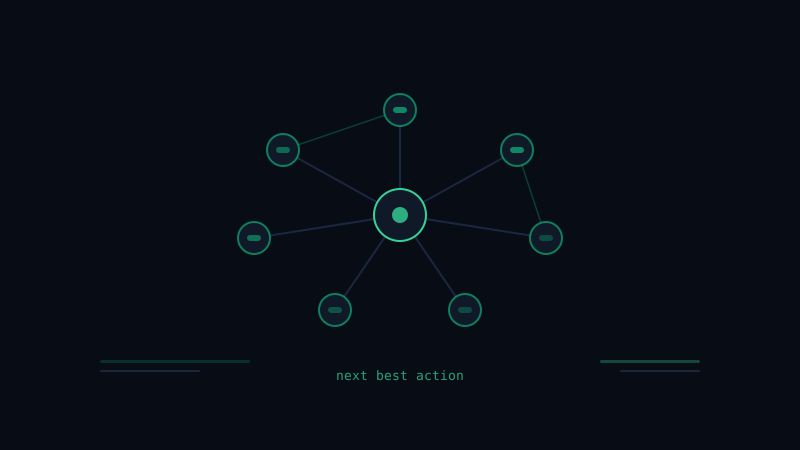
Your CRM Should Tell You What to Do Next
Your CRM already holds the data to tell every rep what to do next. Here's why it stays silent, and what changes when agents act on it instead of filing it.
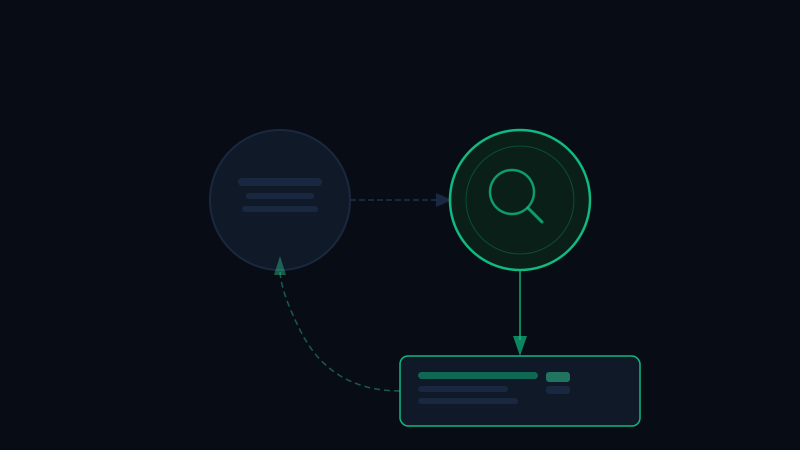
Why Every Agent Team Has a Critic
Cross-check agents aren't optional in dynamic teams. Every major task needs a skeptic reviewing the primary agent's work before it ships. Here's how we structure that review and why it matters.
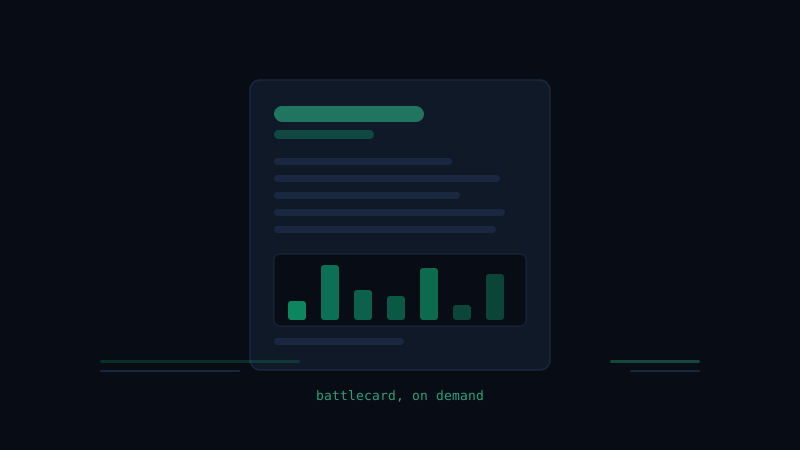
Battlecards That Aren't Stale: Competitive Intel on Demand
Static battlecards go stale the week they ship. Generating competitive positioning on demand, inside the CRM, grounded in the deal you're working, does not.
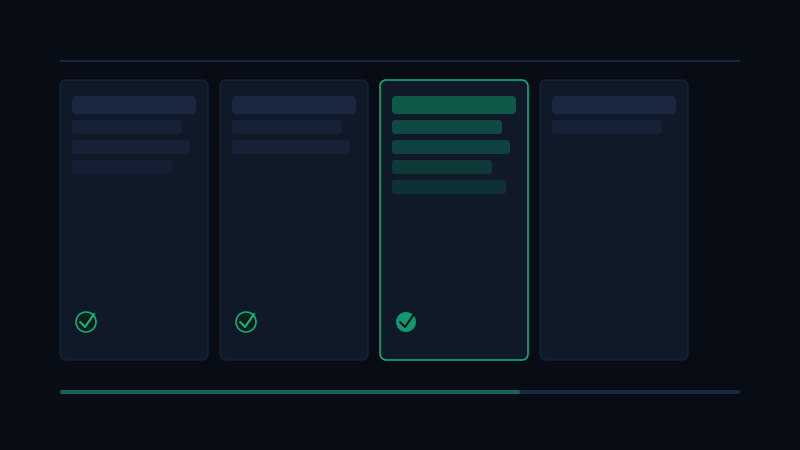
Sprint Notes: What Shipped in the Past Six Weeks
A plain log of what actually shipped: QA gate hardening, budget auto-split, onboarding paywall fix, billing, and the trial tier. No spin, just the work.
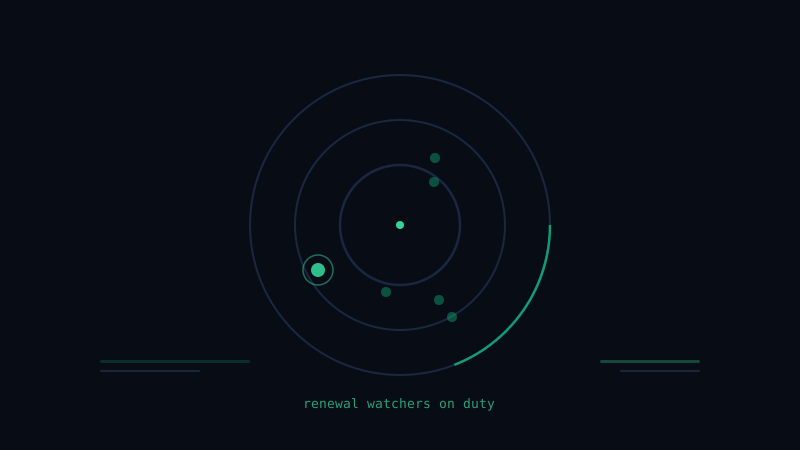
Catching Renewal Risk Before the Renewal
Churn is rarely a surprise in hindsight. The signals were there for months. Here's what to watch for, and how standing health watchers catch renewal risk early.
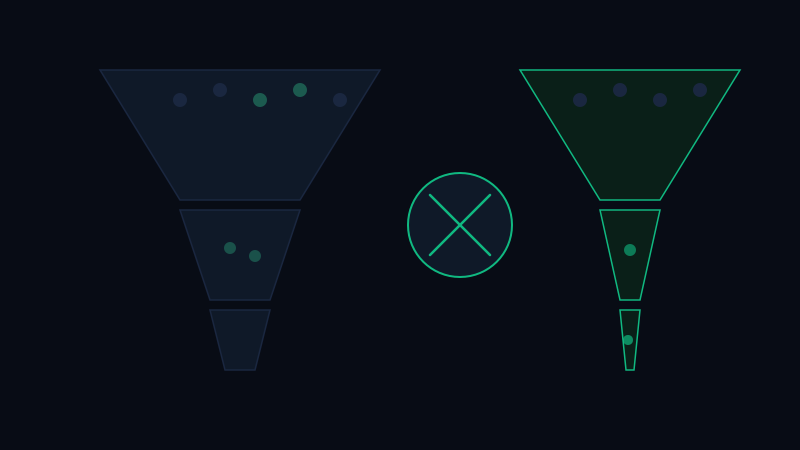
Cleaning Your Funnel: Why Internal Accounts Are Ruining Your Metrics
Your funnel is probably dirtier than you think. How we found and removed internal accounts from our signup metrics — and what the real numbers looked like underneath.
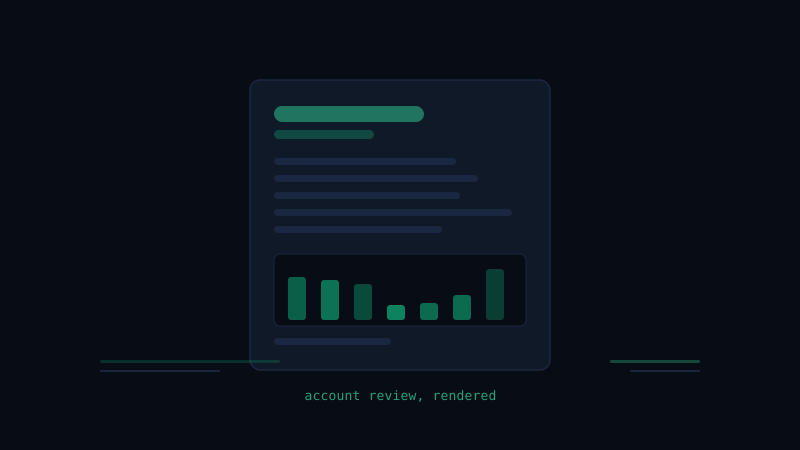
Account Reviews and QBRs, Rendered Straight to a Document
Agents can render account reviews straight to PDF or PPTX. What a good QBR contains, why building one by hand eats half a day, and what changes when it doesn't.
Boring but Critical: The Security Work We Never Announced
The XSS fix, admin gating, anti-spam, and the infrastructure work that kept the lights on. Why boring engineering matters and why it never makes the release notes.
Turn Your Best Rep's Process into an AI Playbook
Every sales team has one rep whose discovery calls are just better, and the knowledge lives in exactly one head. A playbook is how you get it out and make it executable.
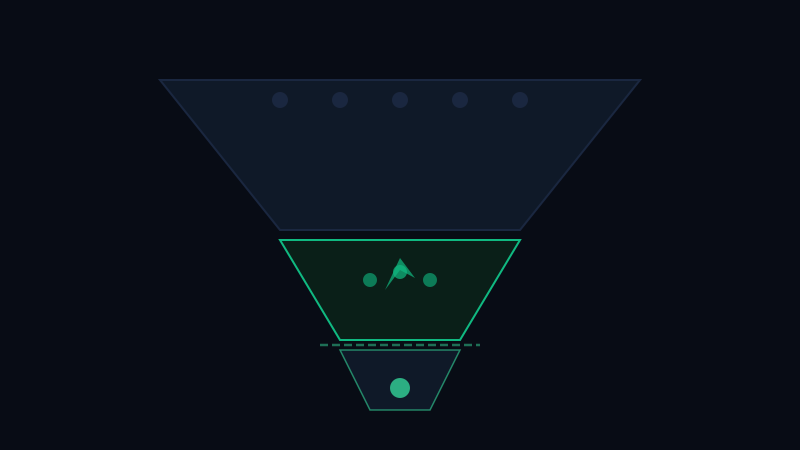
Why We Put the Paywall After the Demo, Not Before
Most B2B products ask you to pay before you understand what you're paying for. We inverted that, badly at first. Here's the aha-moment-first principle and what it costs to build.

White-Space Analysis: Finding the Expansion You Already Earned
For every customer, lay out what they could buy, mark what they own, and study the gaps. The gaps are your expansion pipeline, and an agent can keep the map current.
The First 90 Days: Honest Numbers from Running on Our Own Platform
13 agents, 644 completed tasks, 6 active workspaces, 0 paying customers. Here's what 90 days of dogfooding Hivemeld actually looked like.
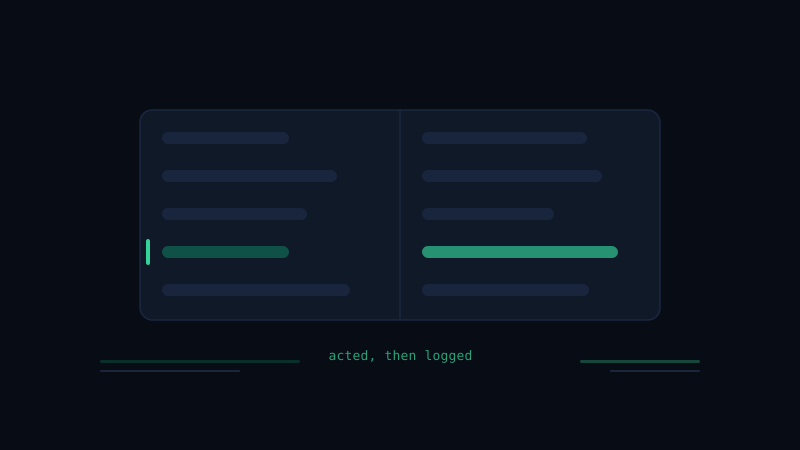
From Insight to Action: Agents That Fix the Record Themselves
An insight that ends with 'you should probably update that' is a to-do list with better branding. Here's what changes when agents write the change, log the diff, and only stop for the cases worth stopping for.
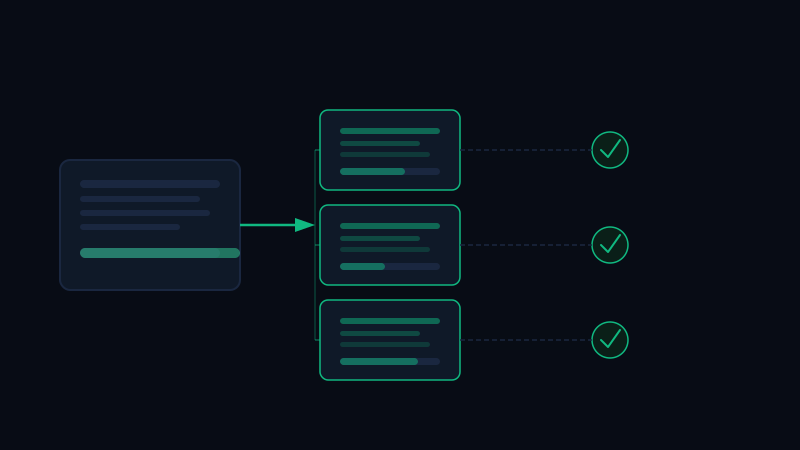
Auto-Splitting Over-Budget Tasks: Why Timeouts Are the Wrong Answer
When a task exceeds its time budget, the system auto-decomposes it rather than escalating. Here's why this beats timeouts and how the split actually works.

MEDDIC, Run Against What Buyers Actually Wrote
MEDDIC is a good framework ruined by six dropdowns filled in under duress. A coach that reads the real thread gives you a live read on every deal instead.

What 'Autonomous' Actually Means for AI Agents
Autonomy isn't about the category of action. It's about how you gate execution based on the risk of a specific instance. Agents that can do dangerous things carefully beat agents that can only do safe things.
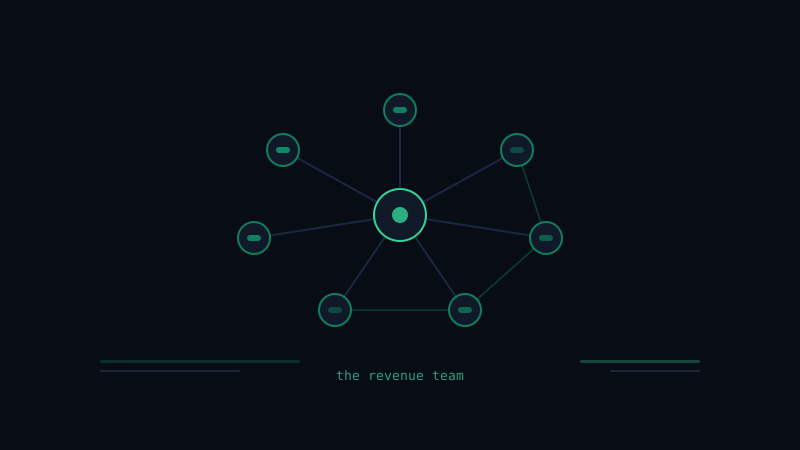
Meet the Revenue Agents: What Ships with Sales, RevOps, and CS
Twenty-eight agents run over your live CRM data, grouped by the team that owns them. Here's what each crew does, and where a person still gets pulled in.
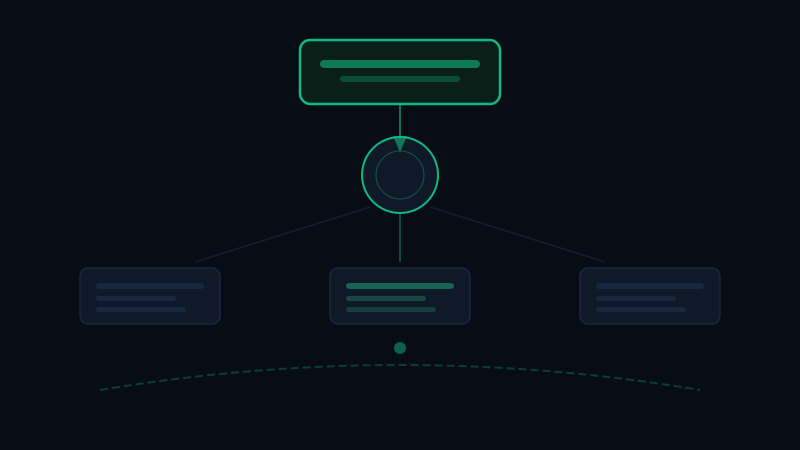
The Goal-Directed AI Model: Why the CEO Agent Changes Everything
When you put a single primary goal at the top, the whole system changes. How the CEO agent → subgoals → dynamic teams → QA/deploy loop actually works.
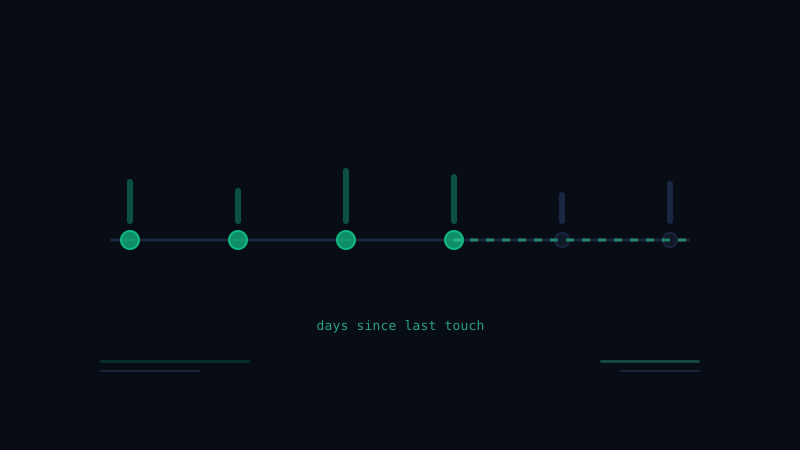
Stalled-Deal Detection: Finding Out on Day Two, Not Day Twelve
A deal going quiet is the most common way pipeline dies, and the easiest signal to miss. What counts as stalled, and what a useful alert has to carry.
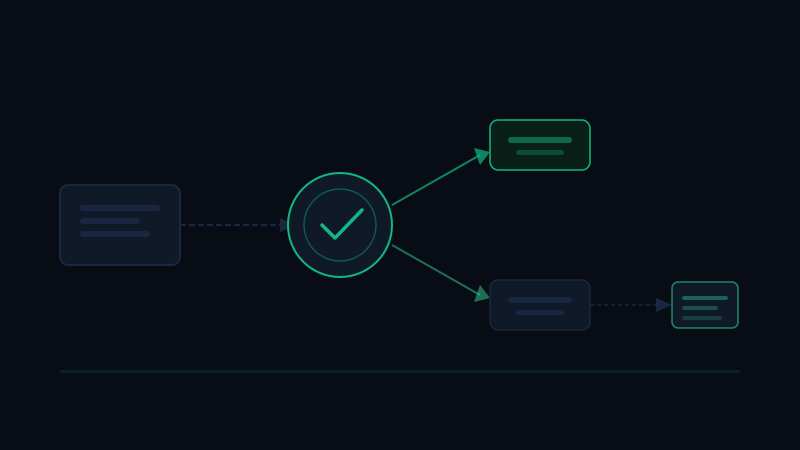
Inside the QA Agent: How Hivemeld Gates Every PR
A clean clone, a scoped test run, CI-matched dependencies, and auto-filed rejection tasks. Here's exactly what happens between a pull request and a green merge.
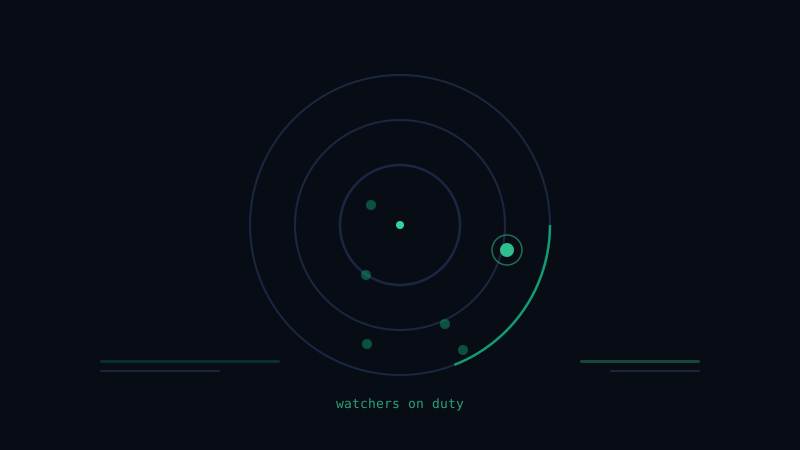
Pipeline Alerts: Your Pipeline, Watched Around the Clock
Eighteen standing watchers check every deal, company, and lead on their own clock. Here's what they look for, how the alerts reach you, and why most alerting systems die.
The Mid-Year Operations Reset, Run by Agents
Half the year is gone. Instead of a manual audit you'll dread, let your AI agents run the mid-year reset — surfacing drift, dead work, and what to fix for H2.
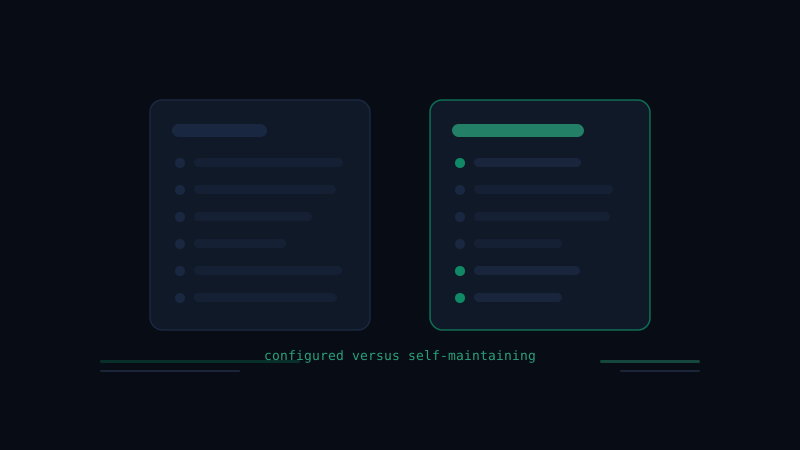
Hivemeld CRM vs Salesforce: Which Fits a Modern Sales Team?
Salesforce is the enterprise standard and genuinely wins on configurability. Here's an honest look at where each one fits, with no pricing arithmetic we can't source.

What We Learned Running Hivemeld on Hivemeld
We run our own company on our own AI agents. Here's what that taught us about where autonomous agents shine, where they don't, and what we changed because of it.
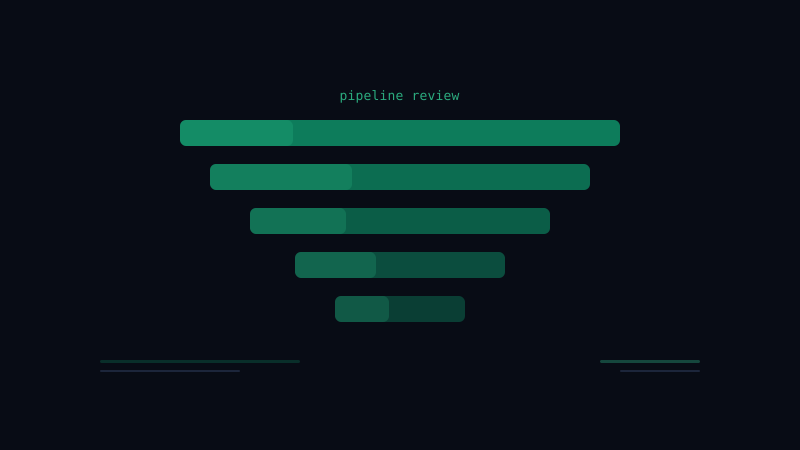
Running Pipeline Reviews That Are Worth the Hour
Most pipeline reviews are status recitals. When the CRM keeps itself current, the meeting can skip the status and get straight to the deals worth saving.

Automating the Weekly Metrics Report with an AI Analyst
The weekly report is important and nobody wants to write it. Hand it to an AI analyst agent that pulls the numbers, finds the story, and flags what changed.

Customer Health Scoring: A Guide That Survives Renewal Season
A health score is only useful if it moves before the renewal does. What to put in one, what to leave out, and how to keep it honest.
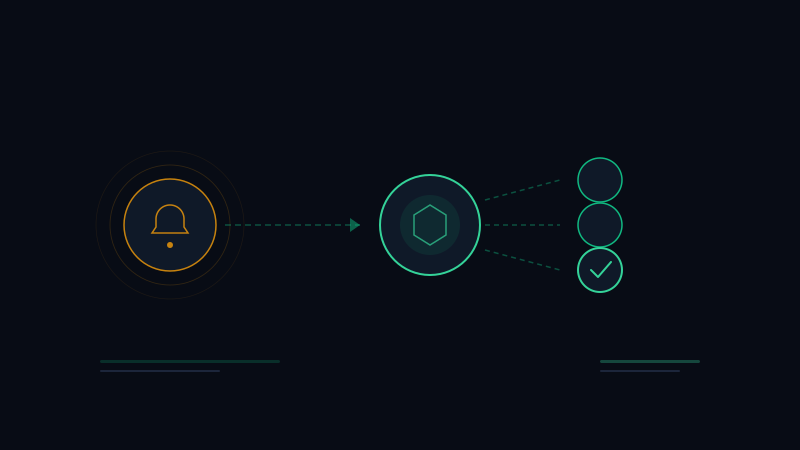
Putting an AI Agent On-Call: Incident Response Without the Pager
The 3 a.m. page is the worst part of running a company. Here's how an AI agent can take first response — triaging, mitigating, and escalating only when it should.
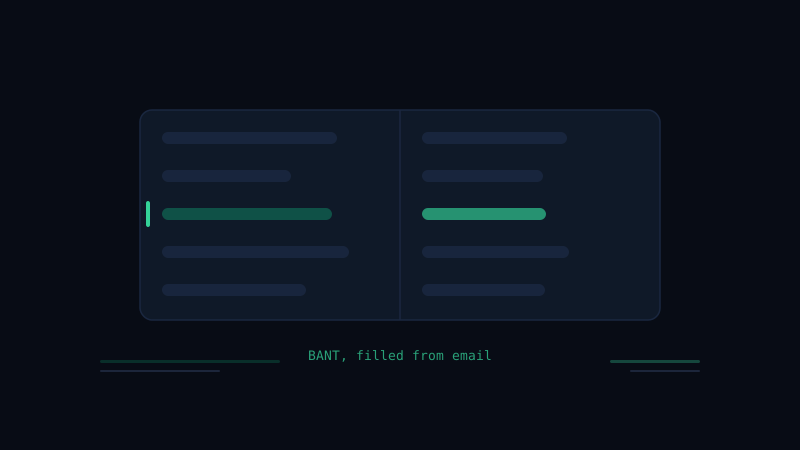
Auto-Qualifying Deals: BANT That Fills Itself In
BANT only works if someone fills it in honestly. When qualification fields come from the email thread with the message attached, the framework finally reflects the deal.
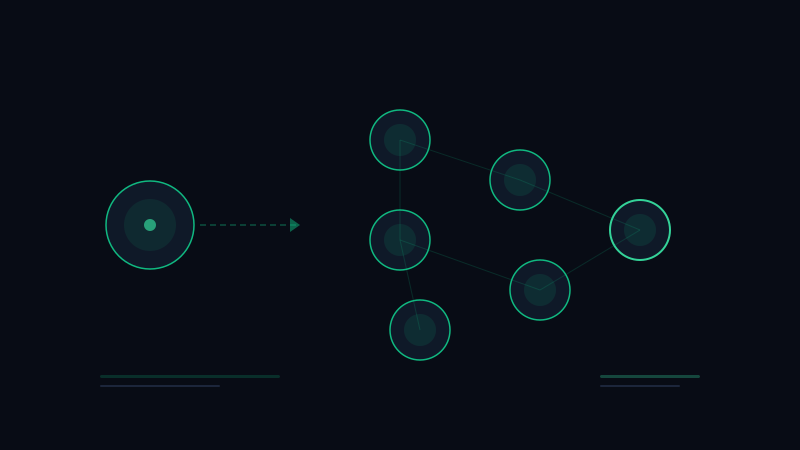
From One Agent to a Team: A Practical Scaling Playbook
Going from one working agent to a coordinated team is where most deployments stall. Here's the sequence that keeps quality up as the count goes up.
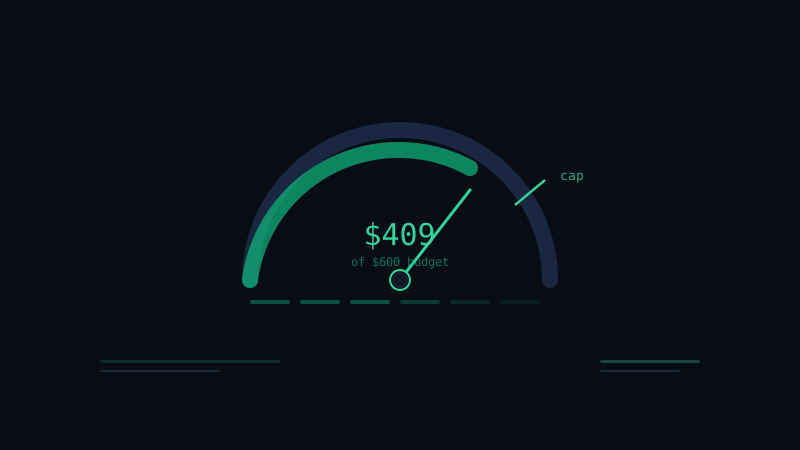
Budgets and Guardrails: Controlling What Your AI Agents Spend
An autonomous agent that can act on its own can also spend on its own. Here's how to set budgets, caps, and guardrails so cost scales with value — not surprises.
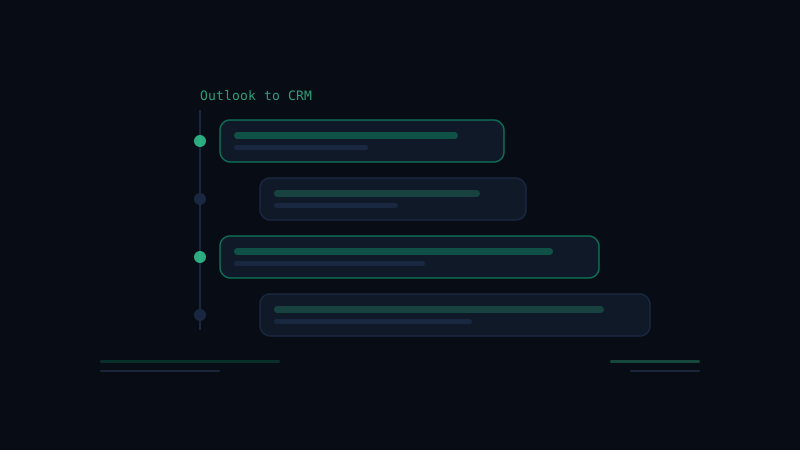
Outlook CRM Integration: The Complete Guide
Microsoft 365 teams have the same CRM hygiene problem and a different set of integration options. Here's what connecting Outlook actually buys you.
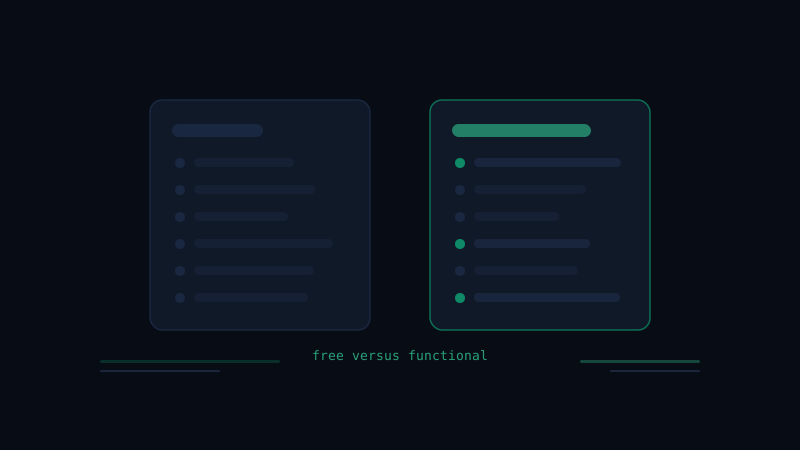
Hivemeld CRM vs HubSpot Free: Is HubSpot Really Free?
HubSpot's free CRM is genuinely useful and genuinely a funnel. Here's which walls you hit, in what order, and how to decide without trusting anyone's pricing table.
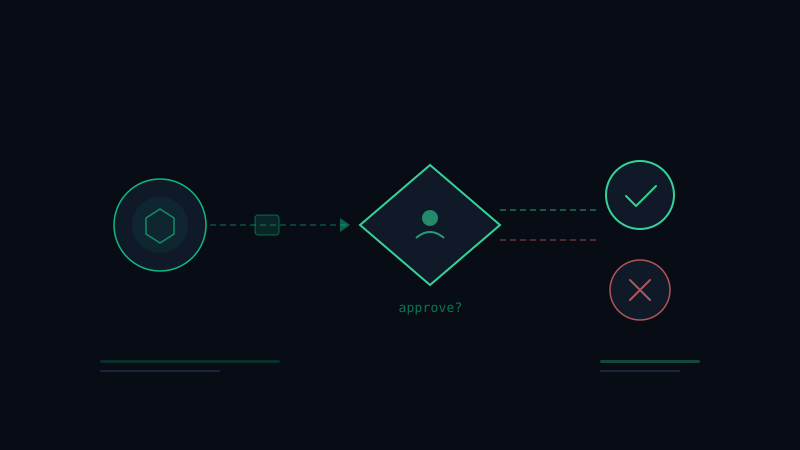
Approval Workflows: Keeping a Human in the Loop at Scale
Autonomy and control are not opposites. The teams that trust their AI agents most are the ones with the sharpest approval workflows. Here's how to design them.
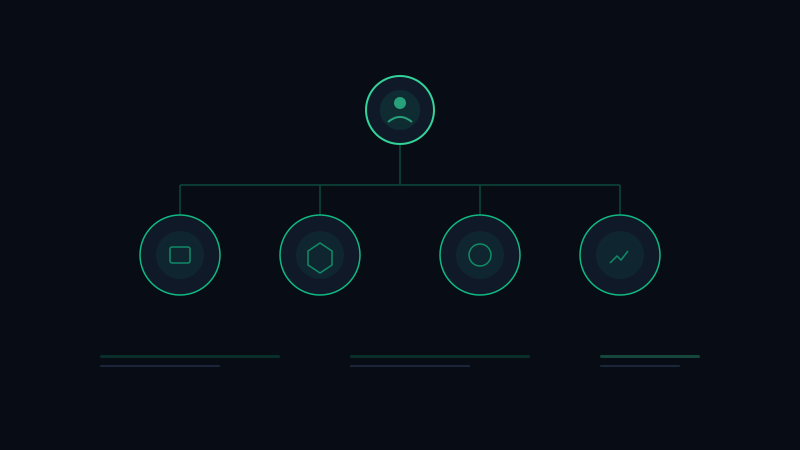
Which Team to Deploy First: Building an AI Org Chart
You cannot stand up six departments at once. Here's the order that works for a company of ten to two hundred: which team first, how to wire the handoffs, and when to add the next.
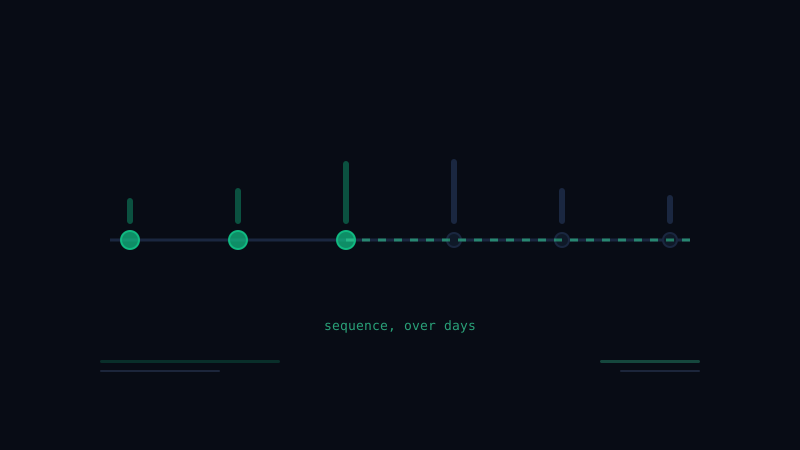
Sales Email Sequences That Still Get Replies
Templates buyers have learned to filter do not work any more. Here are the sequences that still earn a reply, with every placeholder you are expected to fill with your own numbers.
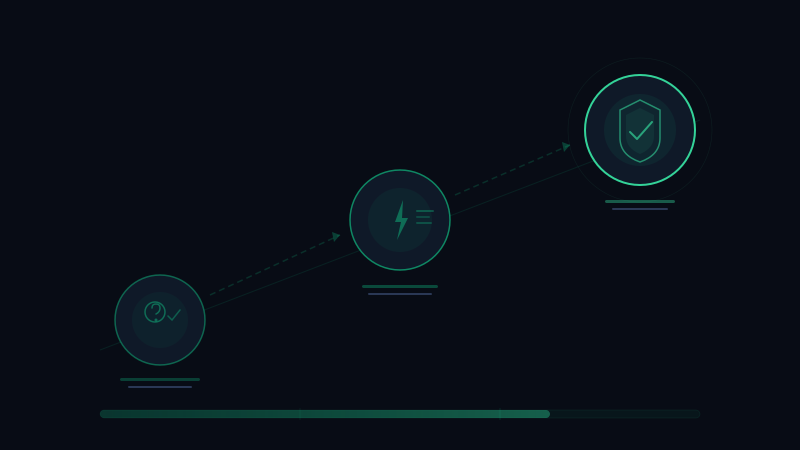
Building Trust With Your AI Agents: The Calibration Period
Trust between you and your AI agent is built through a calibration period — starting narrow, expanding scope, and verifying results until confidence is earned.
The Weekly Operating Review, Prepared by Agents
Operating cadences die when they depend on someone gathering the numbers. When agents assemble the pre-read, the meeting becomes twenty minutes of deciding instead of an hour of reconstruction.
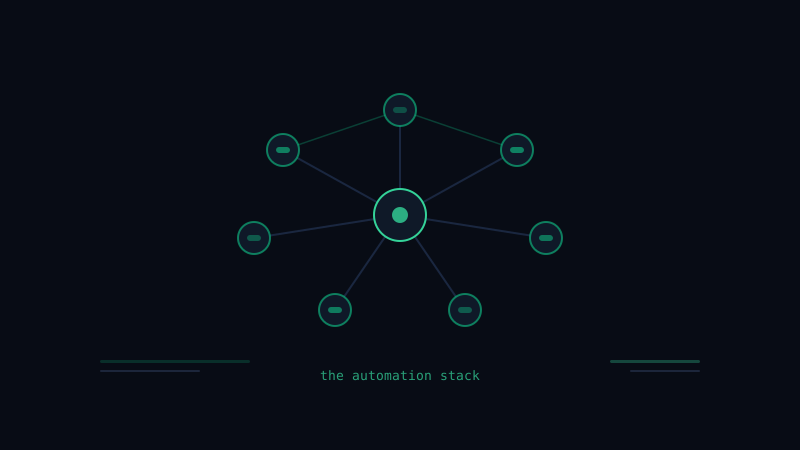
Sales Automation: What to Automate and What to Leave Alone
A practical guide to automating a sales motion: the parts that reward it, the parts that punish it, and the stack that holds the whole thing together.
When Not to Use AI Agents: Knowing the Boundaries
AI agents are powerful but not universal. Knowing when human judgment, creativity, or presence is irreplaceable makes you a better user of AI — not a worse one.
Why Agent Memory Is Really Institutional Memory
An agent without memory restarts every task from zero. An agent with it accumulates what your company has decided — which is the asset that normally walks out the door when someone resigns.
Decision Fatigue Is an Operations Problem
Hundreds of small repeatable decisions a week degrade the few that actually shape outcomes. Here's which ones belong to agents, which belong to you, and how to draw the line explicitly.
Email Productivity for Sales Reps
Email is the best channel a rep has and the biggest time sink in the day. Here's how teams use AI to cut the deciding and the typing without losing the writing.
AI Meeting Notes That Actually Drive Action Items Forward
AI meeting notes go beyond transcription — extracting decisions, assigning action items, tracking follow-through, and eliminating the 'what did we decide?' problem.
Gmail CRM Integration: The Complete Guide
Connecting Gmail to your CRM is the single highest-leverage integration a sales team can make. What it captures, what it misses, and how to set it up properly.
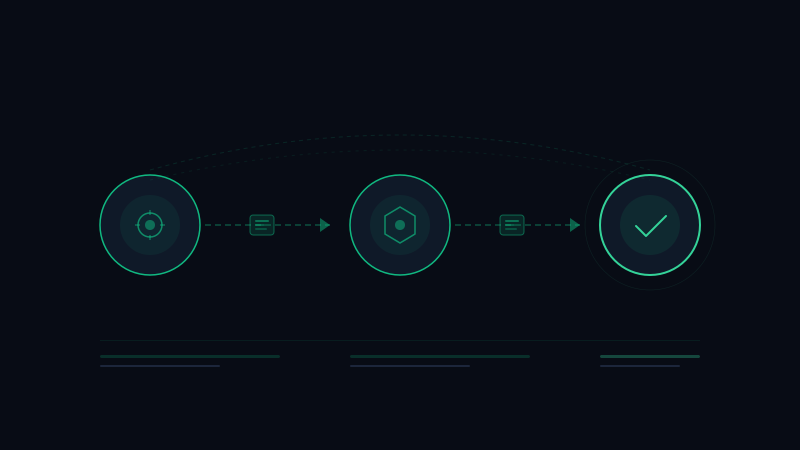
Agent Handoffs: How AI Workflows Chain Without Dropping Context
AI agent handoffs let multi-step workflows pass context cleanly between specialized agents — no lost information, no repeated instructions, no broken chains.
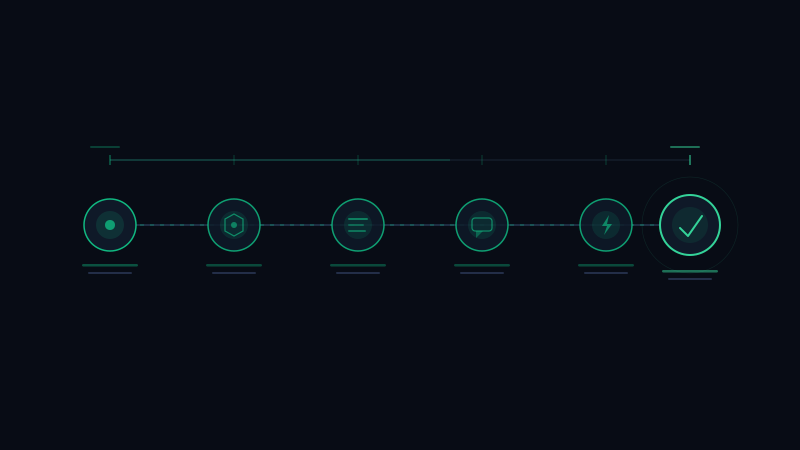
Deploy Your First Hivemeld Agent in Ten Minutes
Three steps: name your company, pick the role, watch an agent complete a real task. Then the part that matters — writing the policy that decides what it does without asking.
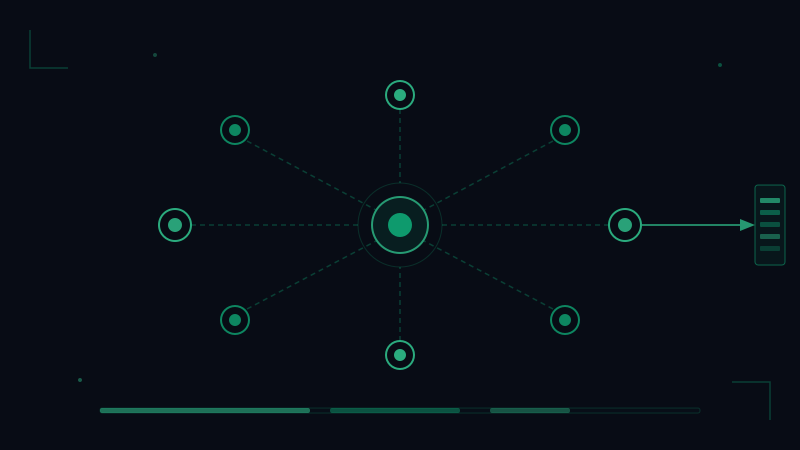
AI Product Feedback Analysis: Build a Roadmap Signal That Actually Works
AI product feedback analysis aggregates support tickets, NPS, reviews, and social signals into continuous roadmap intelligence — no manual tagging required.
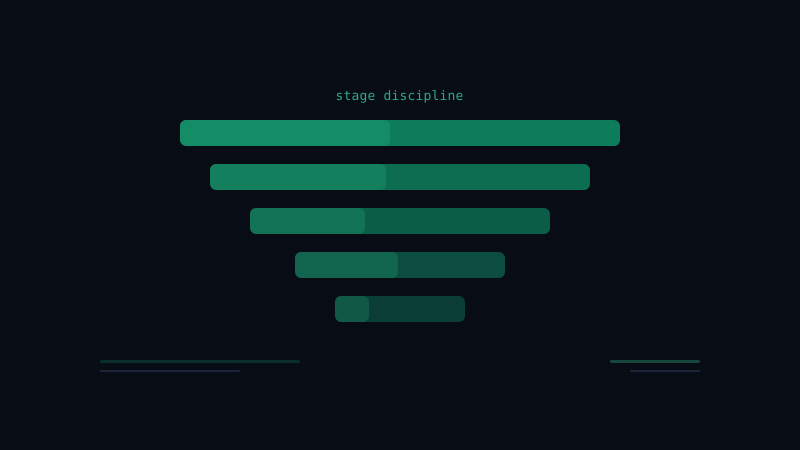
B2B Sales Pipeline Best Practices That Actually Hold Up
Stage definitions, exit criteria, and hygiene rules that survive contact with a real sales team. The unglamorous practices that make a forecast mean something.
Introducing Hivemeld: AI Teams That Run Your Departments
Hivemeld deploys AI teams that own a department's work and act on their own, with a shared system of record underneath and policies that pull a person in only when it matters.
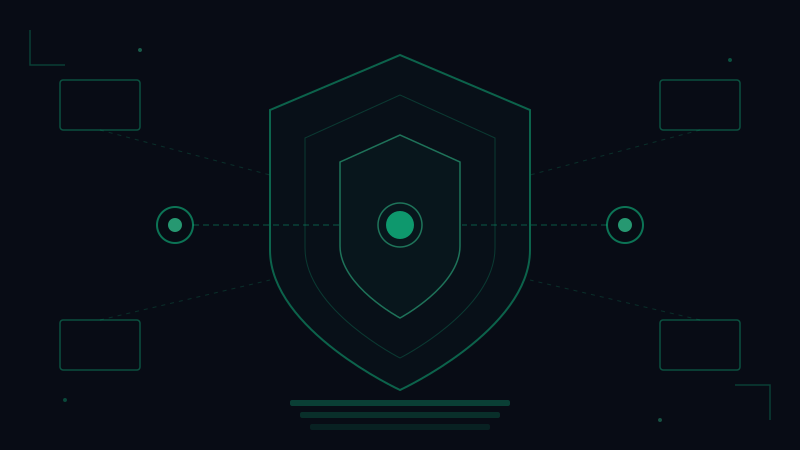
AI Agent Security: How to Deploy Autonomous Agents Without Creating Liability
AI agent security depends on scope limits, approval gates, audit logs, and escalation triggers — the architecture that separates useful agents from dangerous ones.
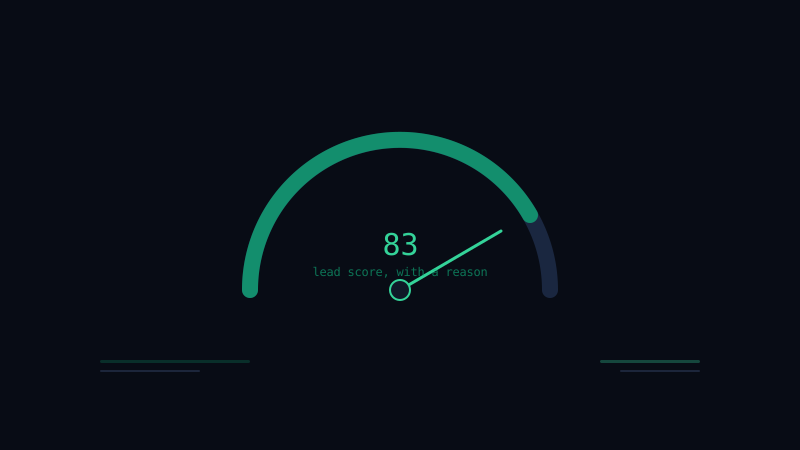
AI Lead Scoring Explained: How Modern CRMs Rank Your Pipeline
Lead scoring has evolved from basic demographic rules to real-time models that read email behavior, engagement patterns, and buying signals. Here's how it works.
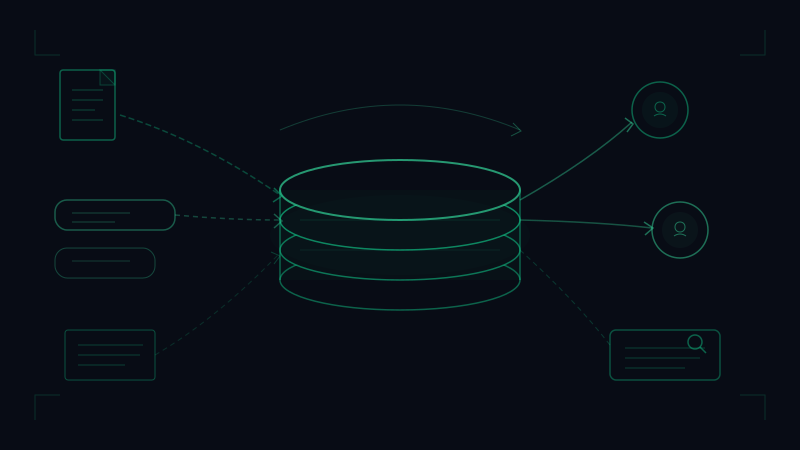
AI Knowledge Management: Building Institutional Memory That Doesn't Leave
AI knowledge management captures, organizes, and retrieves operational knowledge automatically — so institutional memory stays when people do not.

Before You Hire: Ask If an AI Agent Can Do It
AI agents instead of hiring isn't always the right call — but founders who skip the question are leaving leverage on the table. Here's the honest framework.
Measuring AI Agent Performance: The Metrics That Actually Matter
Measuring AI agent performance requires the right metrics: task completion rate, escalation frequency, output quality, and cost per task. Here's how to track them.
AI Sales Coaching: Specific Feedback on Every Deal, Every Day
Most reps get generic advice on a weekly pipeline call. Coaching that reads the actual deal activity is specific enough to act on, and it scales past the number of reps one manager can carry.
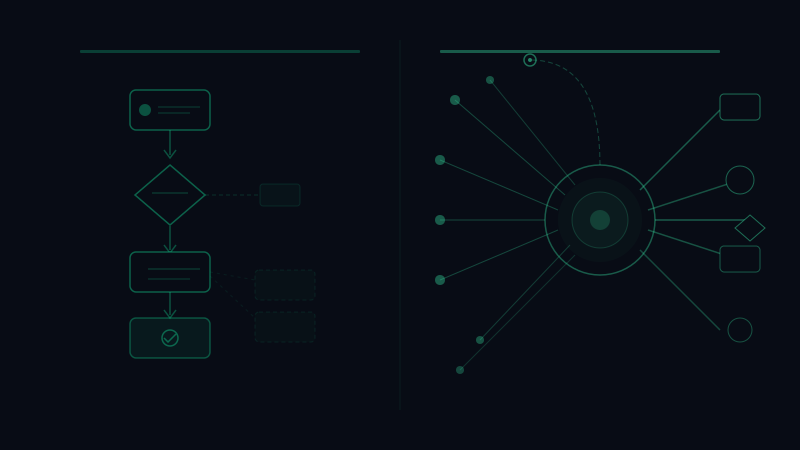
AI Agents vs Automation Tools: A Clear Framework for Choosing the Right One
AI agents vs automation tools is a decision every ops-focused founder faces. Automation follows rules; agents exercise judgment. Here's when to use each.
AI Agent Communication: How Agents Report, Escalate, and Hand Off
Communication is the trust mechanism between an AI workforce and the people accountable for it. Structured reports, an explicit escalation rule, and an action log are what make agents safe to leave alone.
How Small Teams with AI Agents Compete with Fifty
AI agents for small teams aren't a shortcut — they're a structural advantage. Here's how a 5-person company operates at enterprise scale.
The CRM Data Entry Problem Is Costing You More Than You Think
Manual CRM data entry is not just a time cost. It creates a reliability problem that cascades into bad forecasts, missed follow-ups, and lost deals. Here's the real shape of it, and what replaces it.
AI Agents for SaaS Companies: Operational Leverage Across Every Function
AI agents for SaaS companies automate billing, support queues, onboarding, churn monitoring, and feedback loops — compressing the ops burden at every layer.

AI Finance Operations for Startups: What Gets Automated and What Doesn't
AI finance operations handle invoice processing, expense categorization, and runway tracking so founders see the numbers without touching spreadsheets.

AI Agents vs AI Assistants: What's the Difference?
AI agents vs AI assistants: one waits for commands, the other acts. Understanding the difference changes how you use AI to get real work done.
How AI Improves Sales Forecast Accuracy for B2B Teams
Most B2B forecasts are built on rep optimism and a two-week-old snapshot. Here's the signal-based methodology that replaces both, and how to prove it on your own pipeline.
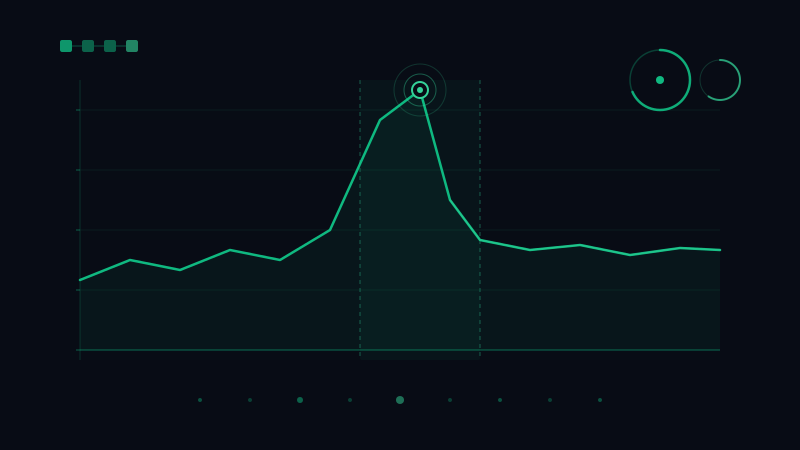
AI Monitoring and Observability: How Agents Watch Your Production Systems
AI monitoring and observability agents watch uptime, latency, and error rates continuously — and act on anomalies before they become incidents.
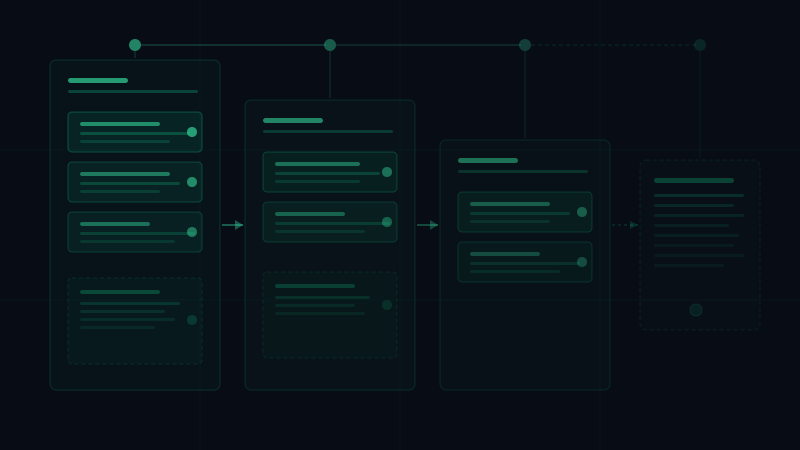
The AI Startup Operations Playbook: What to Automate and When
A practical playbook for AI startup operations — which functions to automate first, which to automate second, what to keep human, and how to sequence it without breaking things.
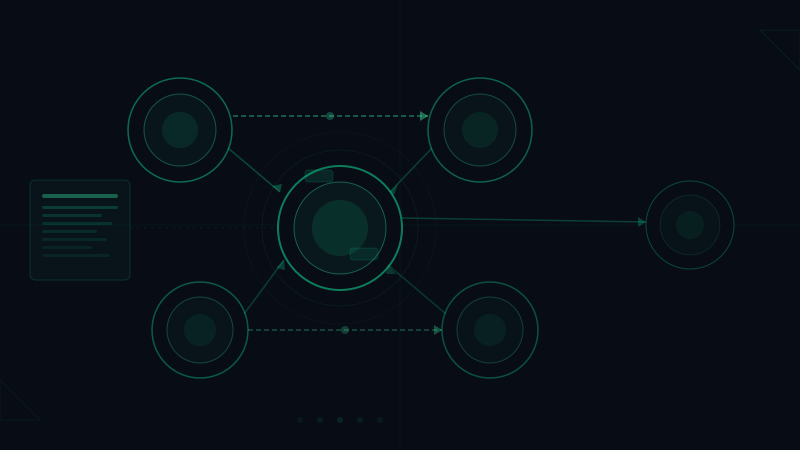
Multi-Agent AI Workflows: Orchestrating Agents Without Creating Chaos
Multi-agent AI workflows let complex operations run autonomously — but only with the right coordination patterns. Here's how to build them without losing control.
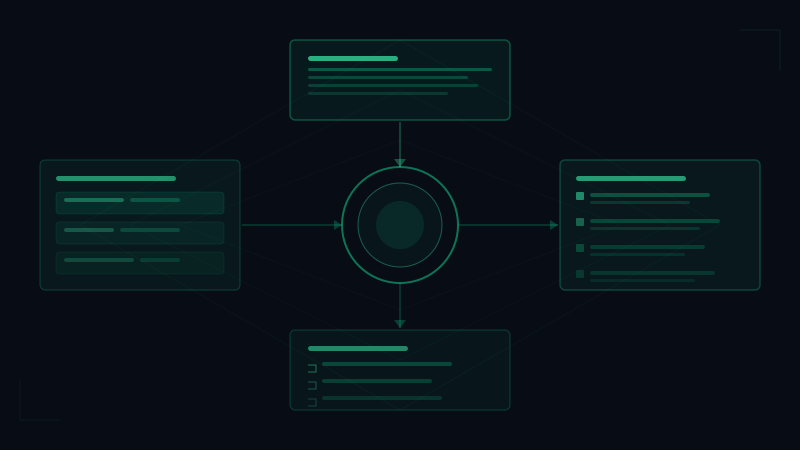
How to Define AI Agent Roles That Actually Work
Poorly defined AI agent roles produce unreliable agents. Here's the framework for writing role definitions with clear responsibilities, authority, and escalation rules.
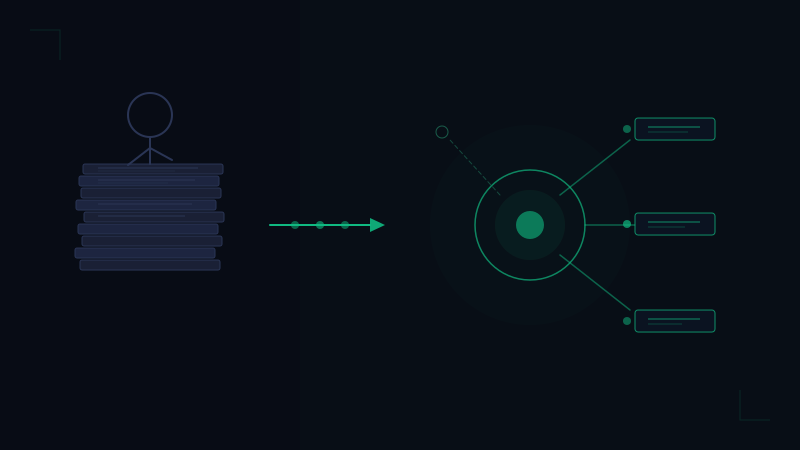
The Art of Delegating Work to an Agent Team
Managers who are good at delegating to people are not automatically good at delegating to agents. The skill transfers; two structural differences do not. Here's what changes.
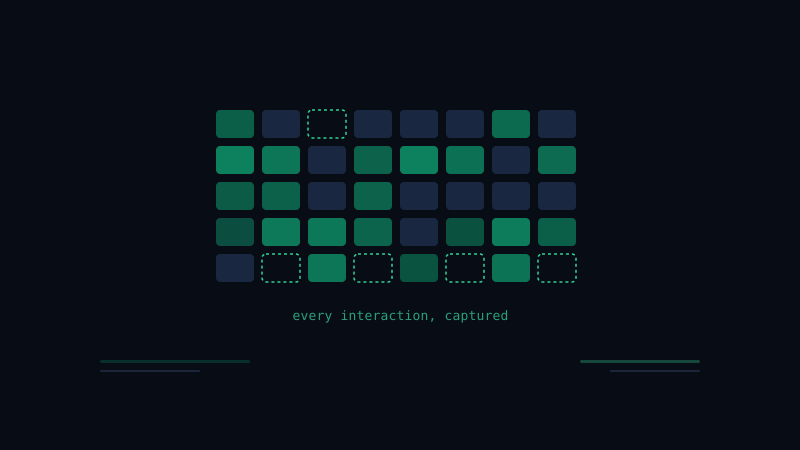
Revenue Intelligence Explained: What It Is and Who Needs One
Revenue intelligence captures every customer interaction and analyses it for patterns, risk, and opportunity. What it does, how it works, and the question that decides whether yours is worth paying for.
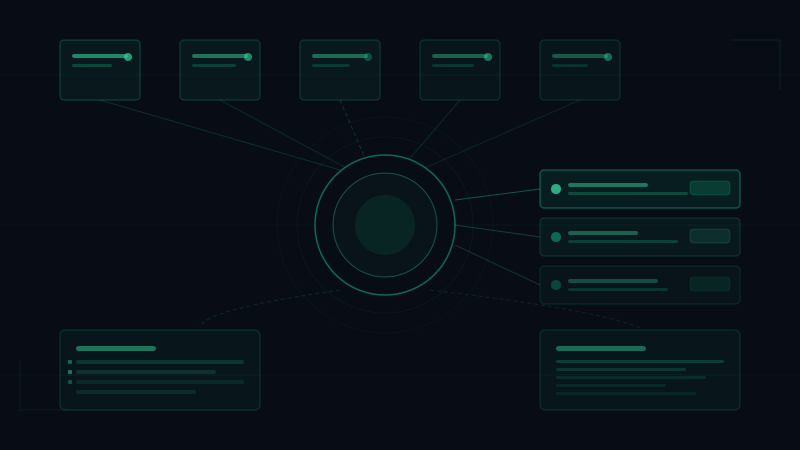
AI Engineering Operations: Reclaim Senior Eng Time for Product Work
AI engineering operations handles monitoring, alert triage, PR reviews, and incident post-mortems — freeing senior engineers to build instead of babysit infrastructure.
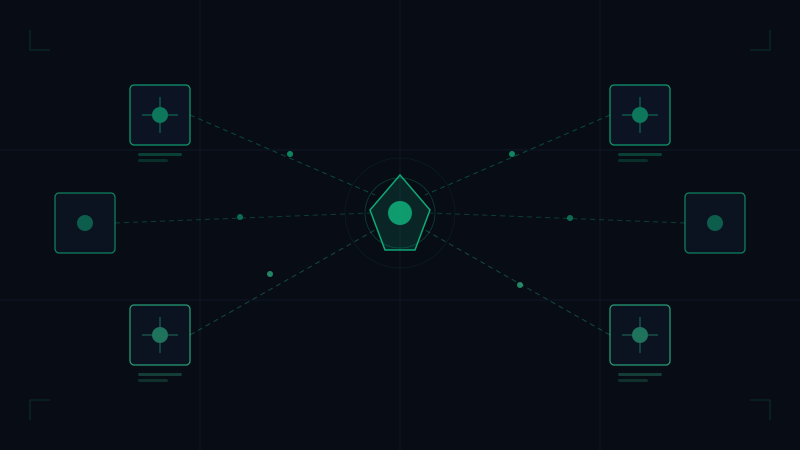
How Autonomous AI Agents Actually Work
Autonomous AI agents aren't magic — they're structured systems with roles, goals, and tools. Here's a clear conceptual guide to how they think and act.
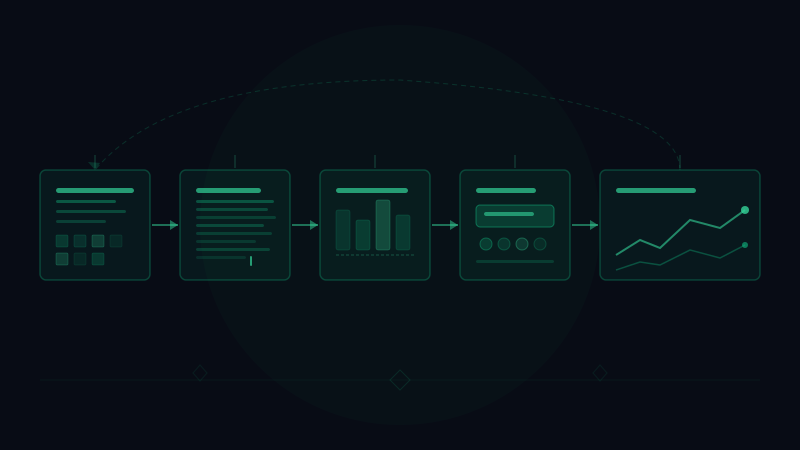
AI Content Marketing Automation: A Full Engine, Not a Writing Tool
AI content marketing automation goes beyond drafting posts — it plans, writes, optimizes, publishes, and reports. Here's what a full AI content engine looks like.
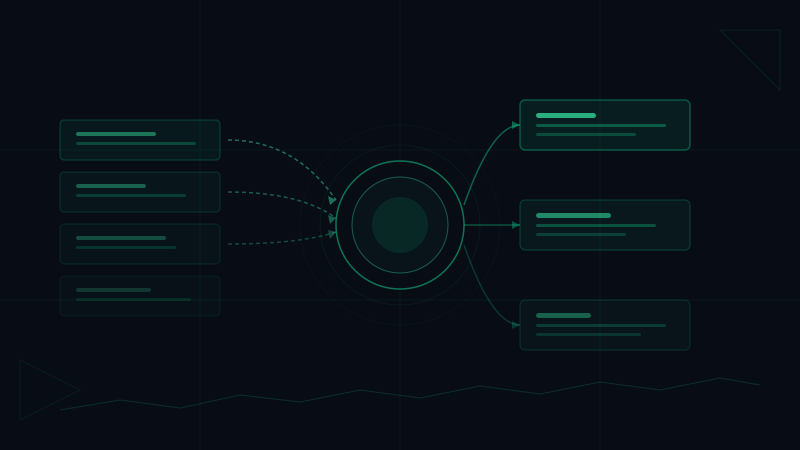
AI Customer Support Automation: Beyond the Chatbot
AI customer support automation cuts resolution time, lowers cost per ticket, and delivers 24/7 coverage — without adding headcount. Here's how it works.

AI Investor Reporting: Automate the Monthly Update Without Losing Your Voice
AI investor reporting pulls live metrics, drafts narrative, and formats tables — automating 80% of the process while keeping your strategic voice intact.

AI QA Testing Automation: Augment Your Engineering Pipeline Without a Dedicated QA Team
AI QA testing automation writes test cases from specs, runs regression suites, and generates bug reports — closing the gap between shipping speed and quality.

AI Competitive Intelligence: Track Your Market Without the Manual Work
AI competitive intelligence monitors competitor pricing, product updates, job postings, and press signals continuously — and surfaces what actually matters.

What an AI Research Agent Actually Does
An AI research agent doesn't just search — it synthesizes, compares, and delivers exactly what you need. Here's how to use one well.

AI Onboarding Automation: How to Convert More Users Without More Headcount
AI onboarding automation tracks where users get stuck, sends targeted nudges, and answers setup questions — at a scale no human team can match.